
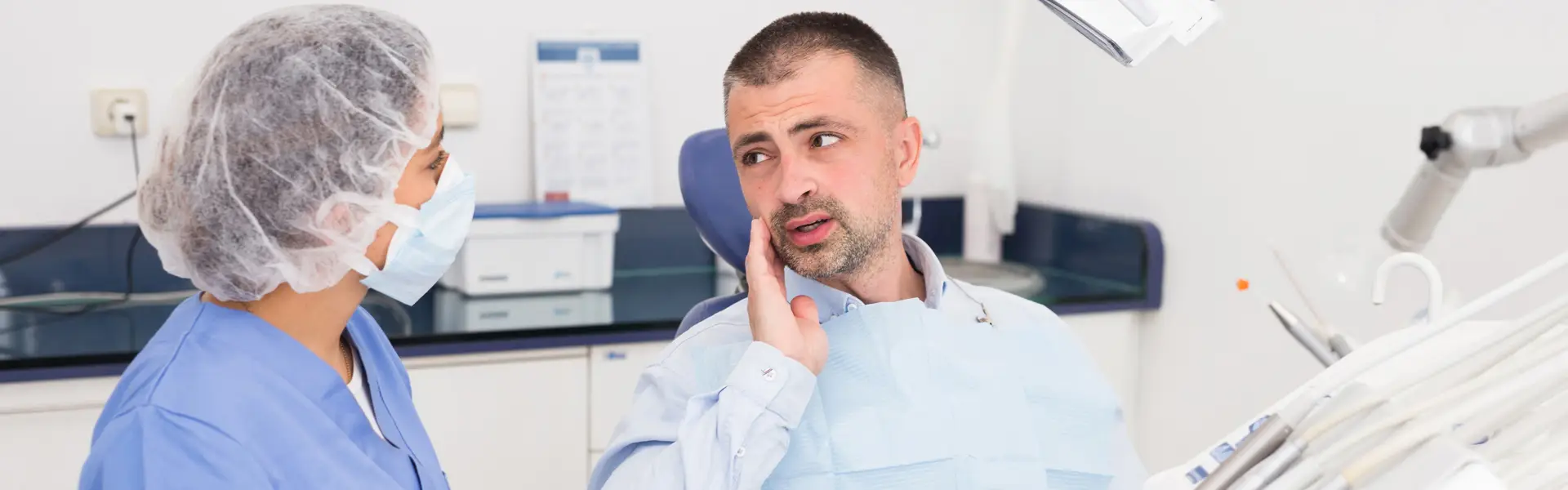
How Emergency Dentists Help Preserve Teeth and Prevent Complications
A sudden toothache can interrupt your day without warning. A chipped tooth during dinner or a knocked-out tooth after a fall can leave you wondering what to do next. In these situations, seeing an emergency dentist in Mississauga as soon as possible may help protect your tooth, reduce discomfort, and lower the risk of further oral health problems. Acting quickly often gives your dental team more treatment options and may improve the chances of keeping your natural tooth.
Common Dental Emergencies That Need Immediate Attention
Some dental concerns should not be put off until a routine appointment. Prompt assessment helps identify the cause and prevents the problem from becoming more serious.
Common emergencies include:
- Severe or persistent tooth pain
- Knocked-out permanent teeth
- Chipped, cracked, or broken teeth
- Swelling in the gums, face, or jaw
- Bleeding after a dental injury that does not stop
- Lost fillings, crowns, or other restorations causing discomfort
- Dental abscesses or signs of infection, including pus or fever
- Injuries affecting the lips, gums, teeth, or jaw
If you experience any of these symptoms, promptly contacting a dentist in Mississauga allows the dental team to examine the affected area, take dental X-rays as needed, and recommend appropriate care.
How Quick Treatment Can Help Save a Damaged Tooth
Many dental emergencies are time-sensitive. The sooner treatment begins, the greater the opportunity to protect the tooth and surrounding tissues.
For example:
- A knocked-out tooth has a better chance of being replanted when treated quickly.
- Small cracks may be repaired before they extend deeper into the tooth.
- Prompt care can reduce damage to the tooth’s nerve and supporting structures.
- Early treatment may help avoid more extensive procedures later.
If a tooth is knocked out, hold it by the crown rather than the root, gently rinse away visible dirt if necessary, and place it back in the socket if possible. If that is not possible, keep it in milk or a tooth-preservation solution and seek dental care immediately.
Preventing Infection and Further Oral Health Problems
A damaged tooth that does not receive timely care may allow bacteria to reach the inside of the tooth or nearby oral tissues. Left untreated, infections may spread beyond the affected area and become more difficult to manage.
Your dental team may recommend:
- Cleaning the injured area thoroughly
- Draining an abscess when appropriate
- Prescribing medication if clinically indicated
- Treating damaged tooth structure
- Monitoring healing during follow-up visits
Persistent swelling, fever, increasing pain, or difficulty swallowing should never be ignored. These symptoms require prompt professional assessment.
Emergency Dental Treatments That Protect Your Smile
Emergency care focuses on relieving discomfort while preserving oral function whenever possible. After examining your mouth and identifying the cause, the dentist near you will recommend treatment based on your individual needs.
Depending on the situation, care may include:
- Repairing chipped or fractured teeth with dental restorations
- Replacing lost fillings or crowns
- Stabilizing loose teeth after trauma
- Root canal treatment if bacteria have reached the inner pulp of the tooth.
- Tooth extraction when a tooth cannot be safely preserved
If you are searching for an emergency dentist near you, choosing a clinic that offers same-day emergency assessments can help ensure timely diagnosis and treatment when unexpected dental problems arise.
Why Following Up After Emergency Care Is Important
Emergency care often addresses the immediate problem, but follow-up visits remain an important part of recovery. Returning for follow-up care allows your dental team to evaluate your healing, monitor your progress, and ensure your recovery stays on track.
Your follow-up appointment may include:
- Checking the healing of the affected tooth and gums
- Reviewing X-rays when necessary
- Adjusting restorations if needed
- Monitoring signs of infection
- Providing guidance for home care and recovery
Attending these appointments supports long-term oral health and helps reduce the likelihood of future complications.
Practical Steps While Waiting for Your Appointment
Although professional care is essential, a few simple measures may help protect your mouth until you are seen:
- A gentle rinse with warm salt water may help soothe minor irritation while you wait for your dental appointment.
- Place a cold compress against the outside of your cheek to help reduce swelling after a dental injury.
- Avoid chewing on the affected side.
- Keep any broken tooth fragments if you can find them.
- Only take medication as recommended by a healthcare professional or as instructed on the packaging.
These steps do not replace dental treatment but may help limit further injury.
Final Thoughts
Dental emergencies can happen unexpectedly, but early care can make a meaningful difference. Promptly visiting an emergency dentist in Mississauga may help preserve damaged teeth, manage infection, restore comfortable function, and support long-term oral health. If you experience a sudden dental injury or severe tooth pain, contact Dr. Jeff Levman to arrange an emergency dental evaluation and receive timely care appropriate for your situation.